Alzheimer’s disease
Often associated with gradually worsening memory, difficulty learning new information, disorientation and later changes in communication and daily functioning.
DEUS Elderly Care & Dementia Foundation works to raise awareness, reduce stigma, support vulnerable elderly people, train volunteers and strengthen community understanding of dementia across Francistown and surrounding communities.
DEUS Elderly Care & Dementia Foundation is a community-focused organisation created to improve the lives of older persons and families affected by dementia. Our work is centred on dignity, patience, compassion and education. We believe that no elderly person should be abandoned, mistreated, misunderstood or left without support simply because of age, memory changes, confusion or disability.
We bring together volunteers, families, healthcare workers, companies, trainers, community leaders and other organisations so that elderly people can be identified early, treated respectfully and connected to suitable assistance. We do not replace hospitals, doctors or social workers; instead, we help communities understand when professional assessment may be needed and how families can respond safely and compassionately.
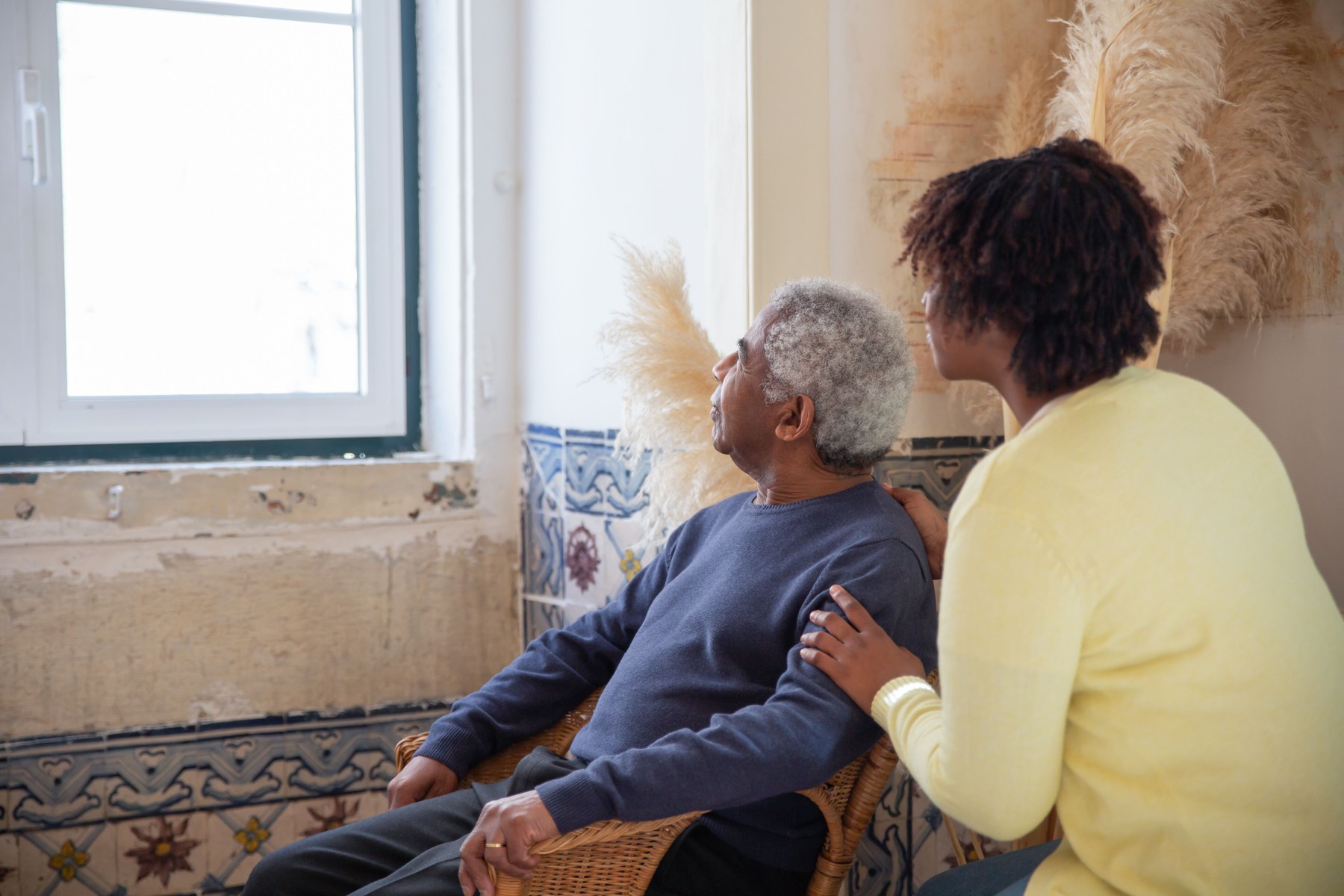
In many communities, changes in memory, behaviour, speech or daily functioning may be misunderstood. Families may become frightened, frustrated or influenced by harmful myths. Our foundation works to replace fear with knowledge by explaining dementia in clear language, encouraging respectful care and promoting referral to qualified healthcare professionals when symptoms are concerning.
We also identify practical needs around the elderly person. This may include isolation, food insecurity, lack of basic care items, unsafe living conditions, caregiver exhaustion, neglect, emotional abuse or difficulty accessing services. Every situation is different, so we first listen, gather basic information and consider the safest and most appropriate next step.
Dementia is a general term for a group of conditions that affect the brain and interfere with memory, thinking, communication, judgement, behaviour and the ability to manage everyday life. It is not one single disease, and different people may experience it differently. Some changes appear gradually, while others may become noticeable when a person struggles with familiar tasks, becomes repeatedly confused, gets lost, changes mood or behaviour, or needs more help with personal care.
Dementia is not a curse, punishment or evidence of witchcraft. It is also not something that should automatically be accepted as a normal part of ageing. When a person develops worrying changes, a medical assessment is important because some symptoms may have other causes and may require treatment.
Often associated with gradually worsening memory, difficulty learning new information, disorientation and later changes in communication and daily functioning.
Linked to problems with blood flow in the brain. A person may experience changes in planning, concentration, movement or thinking, sometimes after a stroke.
May involve fluctuating alertness, movement difficulties, vivid visual experiences, sleep disturbances and changes in thinking.
Can affect behaviour, personality, judgement or language earlier than memory, particularly in some younger people.
A person may have more than one type of brain change at the same time, such as Alzheimer’s disease together with vascular changes.
Memory and thinking changes can also be related to other neurological or medical conditions. Proper clinical assessment is essential.
A person living with dementia may repeat questions, forget familiar names, lose track of time, become disoriented, wander, wake during the night, struggle with dressing, eating or toileting, misplace items, become suspicious, withdraw socially or experience rapid changes in mood. Some people may undress in inappropriate places, refuse care, become agitated or communicate through behaviour when they cannot explain pain, fear or discomfort.
These actions are not always deliberate. They may be caused by confusion, unmet needs, pain, fatigue, overstimulation, fear or difficulty communicating. Responding with shouting, humiliation, physical punishment or accusations can make distress worse. A calm approach, simple explanations, familiar routines and a safe environment may help.
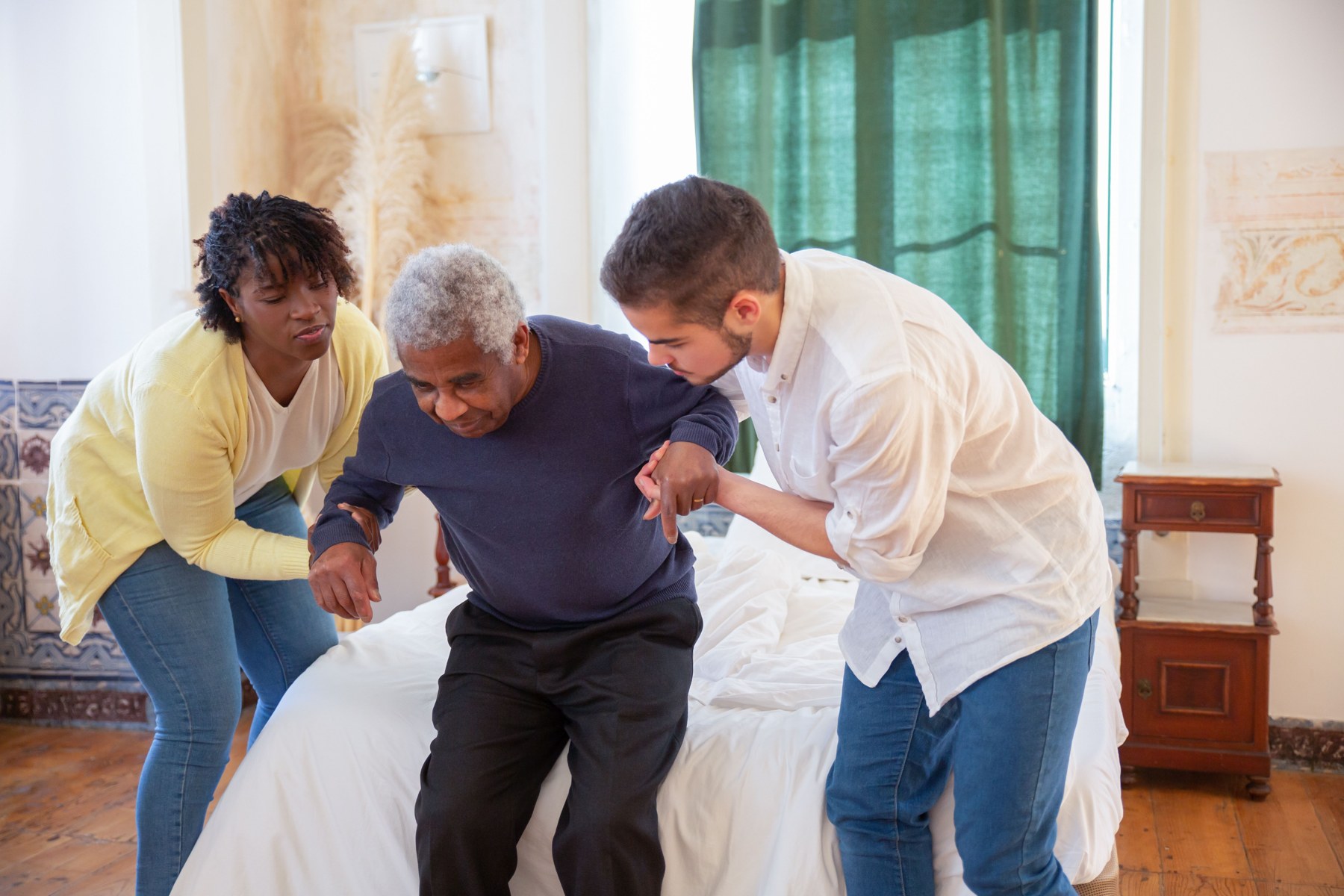
Supporting a person with dementia begins with understanding the individual rather than focusing only on the diagnosis. Families can help by maintaining predictable routines, speaking slowly and respectfully, reducing unnecessary noise, keeping frequently used items in familiar places and using simple reminders. Good nutrition, hydration, regular movement, meaningful social contact, enough rest and attention to hearing, vision, pain and medication can also support wellbeing.
It is important to plan for safety without taking away every form of independence. Homes can be checked for fall hazards, unsafe cooking equipment, poor lighting, unsecured gates or medication risks. Caregivers should also receive support because caring for someone with dementia can be physically and emotionally demanding. Seeking help early, sharing responsibilities and contacting health or social-care professionals can prevent crisis situations.
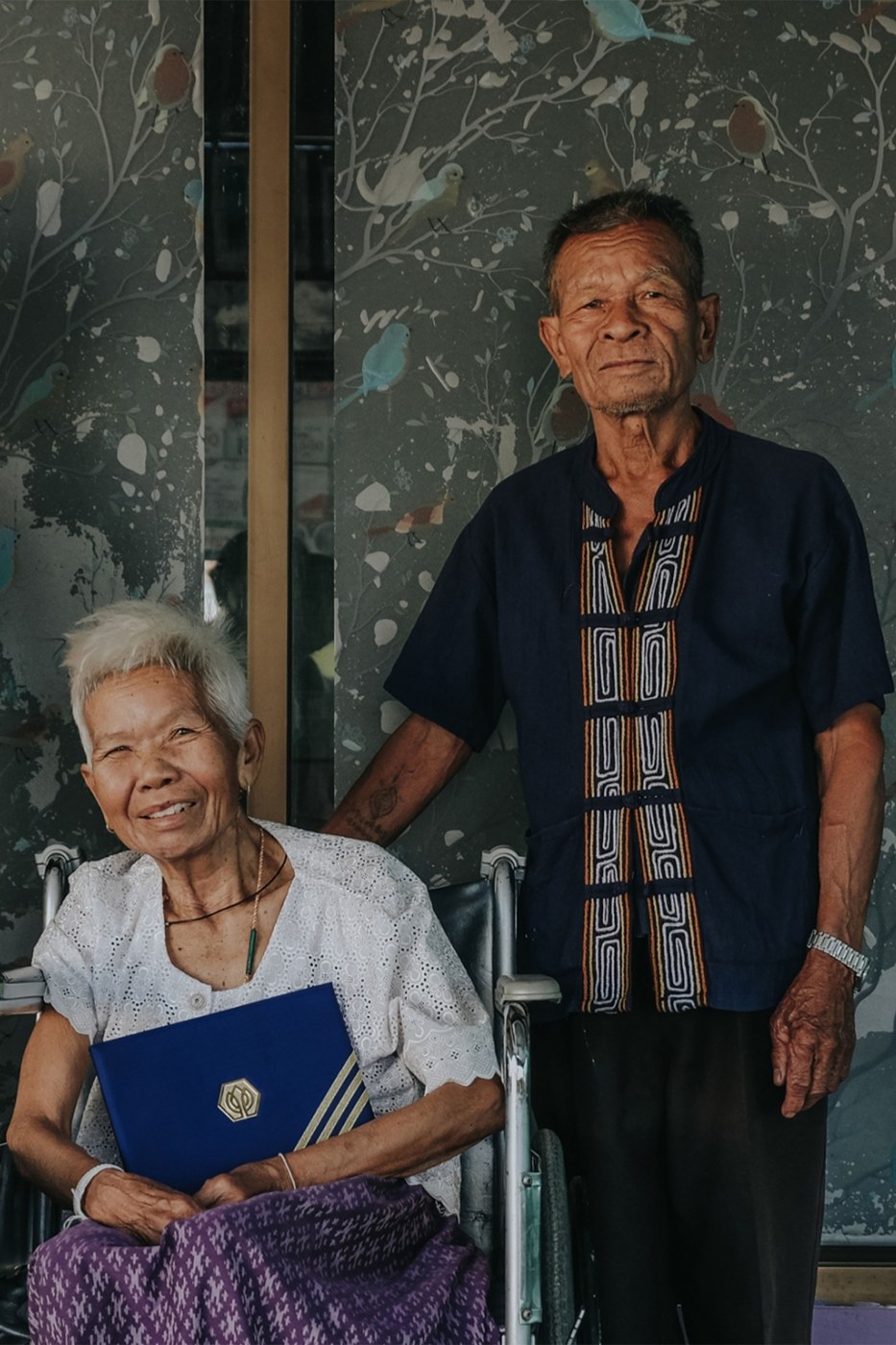 Free community learning
Our free community training is designed to make dementia information easier to understand and more useful in daily life. Sessions may cover the meaning of dementia, common changes, communication, dignity, safeguarding, elderly abuse awareness, caregiver support, referral pathways and practical ways to assist an older person safely.
Training opportunities depend on available trainers, venues, sponsorship and programme schedules. Where certificates are offered, the type of certificate will be explained before registration. A certificate of attendance or completion is not automatically the same as a professional or BQA-accredited qualification.
Community volunteers, family caregivers, churches, youth groups, company volunteers, social-support workers and anyone committed to protecting the dignity of older persons.
Please contact DEUS Elderly Care & Dementia Foundation and share the basic information you know. We will listen, review the situation and consider how best to assist, refer or connect the person with suitable community or professional support.
When contacting us, provide the elderly person’s approximate location, what you are concerned about, whether there is any immediate danger and whether family members or local authorities are already involved. Please do not post private personal information publicly on social media.
Help distribute awareness materials, support local events, identify isolated elderly people and share accurate dementia information.
Provide supervised companionship, assist with approved visits, help organise care packages or support safe community activities.
Nurses, doctors, social workers, trainers, lawyers, accountants, designers, photographers and IT professionals can contribute specialist skills.
Companies can provide staff volunteer days, printing, venues, refreshments, transport, fundraising, technology or professional services.
Influencers, churches, schools and community leaders can share our campaigns and help challenge harmful stigma.
Support training, flyers, elderly care essentials, community visits and outreach events through responsible sponsorship.
The information on this website is for community education and awareness. It is not a diagnosis and does not replace advice, assessment or treatment from a qualified healthcare professional. Sudden confusion, weakness, severe headache, collapse, difficulty speaking, chest pain, serious injury, abuse or immediate danger requires urgent professional or emergency assistance.
Contact us about volunteering, free training, elderly referrals, sponsorship, partnerships, awareness materials or professional support.
Email
info@deuscarefoundation.org
Telephone / WhatsApp
+267 76 849 283
Website
deuscarefoundation.org
Coverage
Francistown and surrounding communities, Botswana